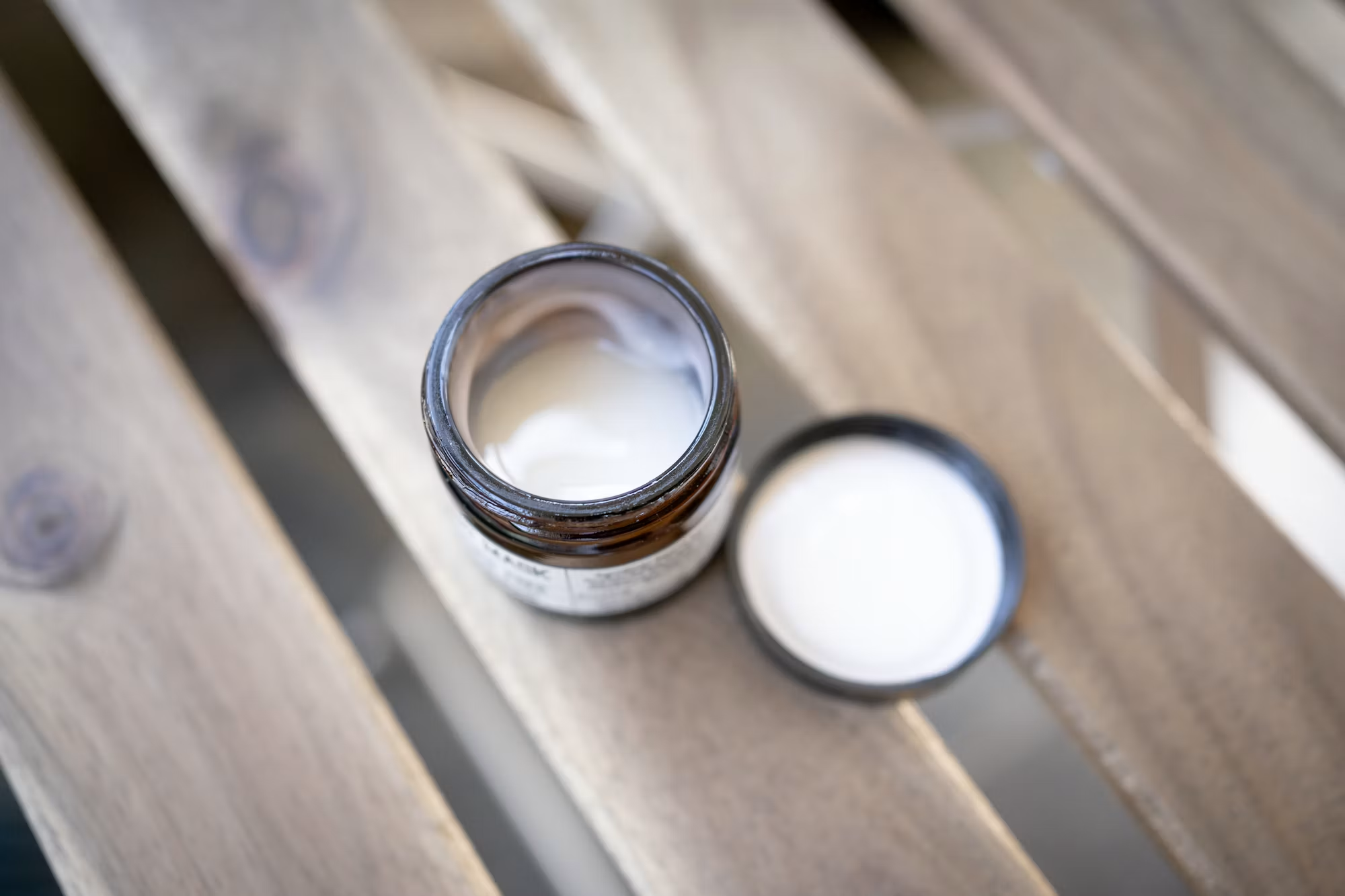
Creating an effective skincare routine can feel overwhelming, especially with the myriad of products and trends available. However, mastering the art of skincare is about understanding your skin’s unique needs and finding the right balance of products and practices to maintain its health and vitality. This comprehensive guide will explore the fundamentals of skincare, helping you navigate the world of beauty with confidence and clarity.
Understanding Your Skin Type
Before diving into products and routines, it’s essential to determine your skin type. This understanding forms the foundation of any effective skincare regimen. Generally, skin types can be categorized into five main categories:
1. Normal: Well-balanced skin that isn’t too oily or dry. It has a smooth texture and few visible imperfections.
2. Oily: Characterized by excess sebum production, oily skin often appears shiny and is prone to acne and enlarged pores.
3. Dry: Lacking moisture, dry skin can feel tight, rough, or flaky. It may be sensitive and more prone to irritation.
4. Combination: A mix of both oily and dry areas, typically with an oily T-zone (forehead, nose, chin) and drier cheeks.
5. Sensitive: Easily irritated, sensitive skin may react negatively to products or environmental factors, resulting in redness or discomfort.
Identifying your skin type will guide you in selecting the appropriate products and treatments that cater to your specific needs.
The Essential Steps of a Skincare Routine
An effective skincare routine typically includes several key steps, each serving a specific purpose. Here’s a breakdown of these steps and their importance:
1. Cleansing
The first step in any skincare routine is cleansing. This process removes dirt, makeup, and impurities that accumulate on the skin throughout the day. Depending on your skin type, you may choose a foaming cleanser, gel cleanser, or cream cleanser:
– Foaming Cleanser: Ideal for oily and combination skin, foaming cleansers effectively remove excess oil without drying out the skin.
– Gel Cleanser: Great for all skin types, gel cleansers provide a refreshing feel and are often lightweight.
– Cream Cleanser: Perfect for dry or sensitive skin, cream cleansers hydrate while cleansing, preventing over-drying.
2. Exfoliation
Exfoliation is vital for maintaining smooth, radiant skin. It helps remove dead skin cells, unclog pores, and promote cell turnover. There are two main types of exfoliants:
– Physical Exfoliants: These contain small granules that physically scrub the skin, such as scrubs or brushes. Use these sparingly to avoid irritation.
– Chemical Exfoliants: Utilizing acids like alpha hydroxy acids (AHAs) or beta hydroxy acids (BHAs), chemical exfoliants dissolve dead skin cells and are often gentler than physical ones. Incorporate them 1-3 times a week based on your skin’s sensitivity.
3. Toning
Toners help balance the skin’s pH after cleansing and can remove any leftover impurities. They also prepare the skin to better absorb subsequent products. Choose toners based on your skin type:
– Hydrating Toners: Containing ingredients like rosewater or aloe vera, these are great for dry or sensitive skin.
– Exfoliating Toners: For oily or acne-prone skin, toners with salicylic acid or glycolic acid can help keep pores clear.
4. Serums
Serums are highly concentrated treatments that target specific skin concerns such as dryness, dullness, or aging. Look for serums containing beneficial ingredients tailored to your needs:
– Vitamin C: Brightens the skin and protects against environmental damage.
– Hyaluronic Acid: Provides intense hydration, making it ideal for dry skin.
– Retinol: Promotes cell turnover and reduces the appearance of fine lines and wrinkles.
5. Moisturizing
Moisturizers are essential for maintaining skin hydration and creating a protective barrier. Select a moisturizer based on your skin type:
– Gel Moisturizers: Lightweight and oil-free, perfect for oily skin.
– Cream Moisturizers: Richer formulas that provide extra hydration for dry skin.
– Lotions: A versatile option suitable for most skin types.
6. Sunscreen
Sunscreen is crucial for protecting the skin from harmful UV rays. Use a broad-spectrum sunscreen with an SPF of at least 30 every morning, even on cloudy days. Consider reapplying throughout the day, especially if you’re outdoors.
Tailoring Your Routine to Skin Concerns
In addition to following the essential steps of a skincare routine, you may have specific skin concerns that require targeted solutions. Here are some common issues and how to address them:
– Acne: Incorporate products with salicylic acid or benzoyl peroxide, which help unclog pores and reduce breakouts. A lightweight, non-comedogenic moisturizer is also essential to avoid exacerbating acne.
– Dark Spots: Use serums with vitamin C or niacinamide to brighten the skin and reduce hyperpigmentation.
– Fine Lines and Wrinkles: Incorporate retinol or peptides into your routine to boost collagen production and improve skin texture.
– Dryness: Focus on hydrating products, including moisturizers with hyaluronic acid and nourishing oils.
Lifestyle Factors that Influence Skin Health
While an effective skincare routine is essential, several lifestyle factors also significantly impact skin health. Here are some habits to consider:
– Stay Hydrated: Drinking plenty of water keeps your skin hydrated from within, promoting a plump and healthy appearance.
– Eat a Balanced Diet: Incorporate plenty of fruits, vegetables, and healthy fats to provide your skin with the nutrients it needs. Foods rich in antioxidants can help protect your skin from damage.
– Get Enough Sleep: Quality sleep allows your skin to repair and regenerate. Aim for 7-9 hours of sleep each night.
– Manage Stress: Stress can trigger skin issues, so practice relaxation techniques such as yoga or meditation to support your overall well-being.
Conclusion: A Lifelong Commitment to Skincare
Mastering the art of skincare is a journey that evolves with your skin. By understanding your unique needs and tailoring your routine accordingly, you can achieve and maintain healthy, radiant skin for years to come. Remember that consistency is key; adopting a daily routine and making conscious lifestyle choices will yield the best results. Embrace the process, enjoy discovering new products, and celebrate your skin at every stage of life.